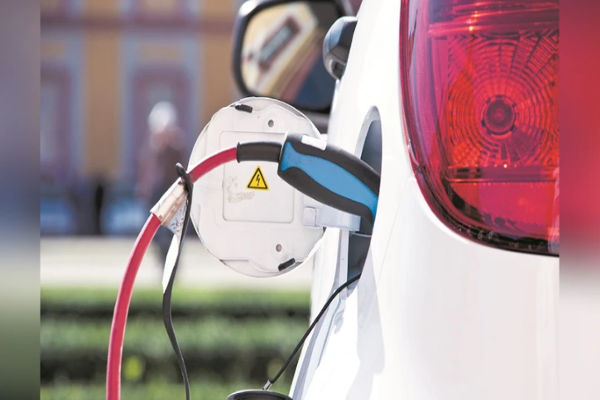


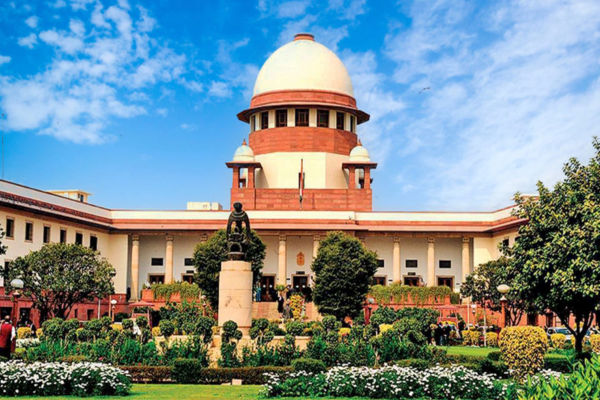
In a significant boost to India’s clean mobility vision, the Supreme Court has instructed the central government to undertake a thorough review of the 2020 Electric Vehicle (EV) policy. This move is intended to realign the policy with the nation’s fast-evolving sustainability goals, accelerating EV adoption trends, and long-term plans to curb vehicular emissions.
The Supreme Court bench underscored the need for refreshed policy frameworks that account for today’s market realities, rapid technological progress, and growing infrastructure requirements. The judges noted that accelerating the shift to electric mobility is crucial for tackling air pollution, lowering carbon emissions, and advancing India toward a more sustainable transportation ecosystem.
The Court noted that several aspects of the 2020 policy such as incentives for EV manufacturing, charging infrastructure planning, battery recycling provisions, and consumer adoption support require updates to match current needs. It also urged policymakers to incorporate stronger mechanisms for state-level coordination, expanding public charging networks, and enhancing collaboration between industry and the government.
Industry experts believe the Court’s intervention will accelerate India’s EV transition by encouraging greater transparency, accountability, and timely policy updates. With EV demand rising and the government advancing initiatives like FAME II, battery-swapping policies, and green mobility mandates, the review is expected to further streamline adoption and strengthen India’s clean-energy future.
The central government is now expected to refine and reinforce the EV roadmap, placing affordability, infrastructure readiness, and technological innovation at the forefront of the updated policy.